The SNSF and the SDC are launching a second phase of the SOR4D programme
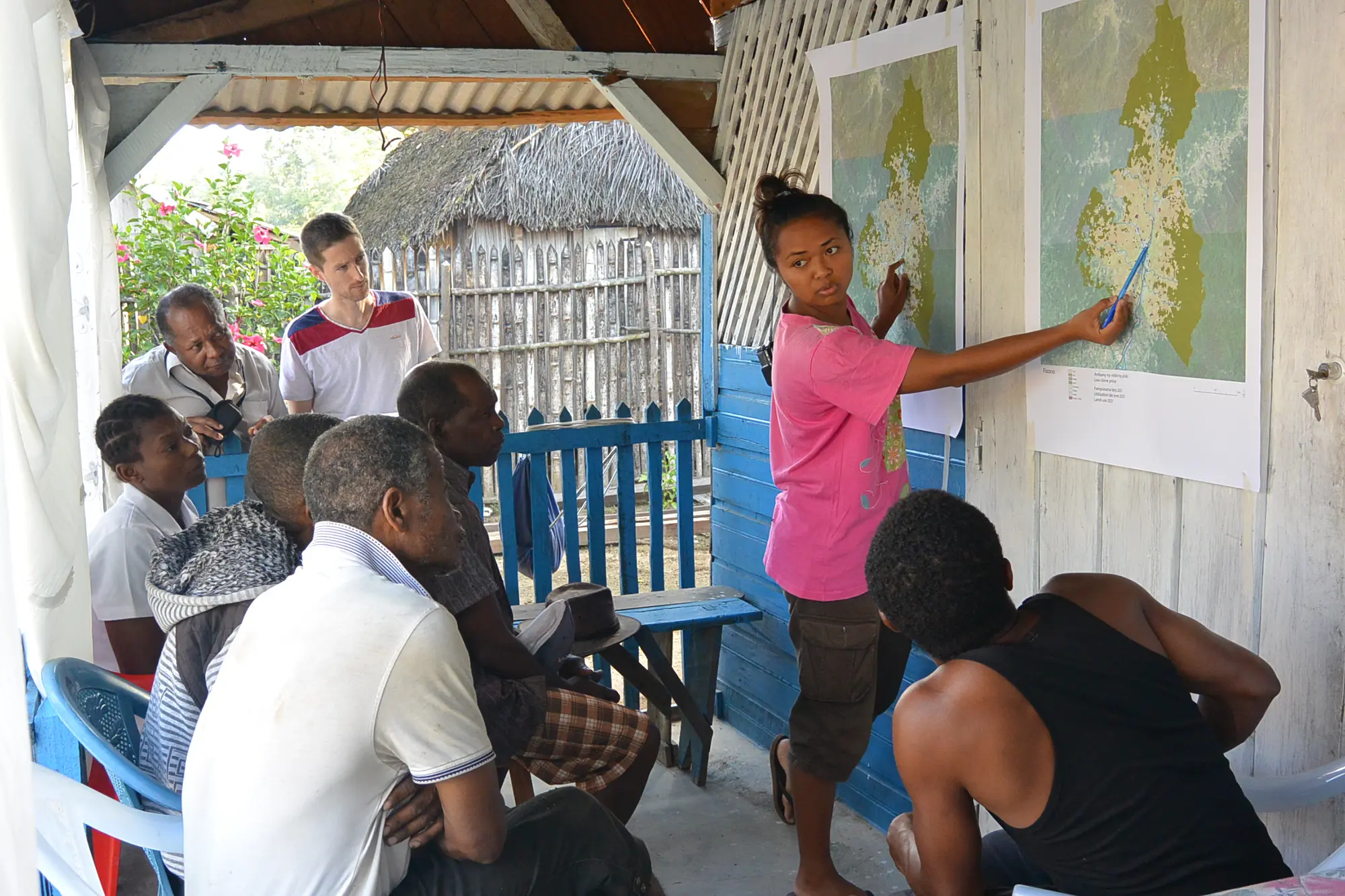
The SOR4D programme is entering a second round. The SNSF and the SDC support projects that combine research and practice to reduce poverty and strengthen sustainable development worldwide.
The Swiss National Science Foundation (SNSF) and the Swiss Agency for Development and Cooperation (SDC) are continuing the Solution-oriented Research for Development (SOR4D) programme. In the now launched second phase (
), the focus is on developing concrete innovative solutions to global challenges together with researchers from Switzerland and with researchers and non-academic actors from SDC partner countries and on promoting the implementation of the results in practice even more strongly.
The SOR4D programme is a joint funding scheme of the SNSF and the SDC. The aim is to promote innovative approaches in transdisciplinary research and a different dynamic between researchers and practitioners from Switzerland and the Global South, thereby driving development forward. Specifically, the goal is to gain new insights and to develop innovative and impactful solutions that contribute to sustainable development and less poverty in the least developed countries and in low- and middle-income countries.
Continuation with focus on implementation
The second programme phase runs from
with a budget of around 22 million Swiss francs. The call will be launched on 19 January 2026, continuing the long-standing partnership between the SNSF and the SDC. For Odile Robert, Head of the SDC's Analysis and Research section, "development partnerships have the potential to make a significant contribution to meeting the challenges of an increasingly complex world. The cooperation between the SDC and the SNSF, with their complementary expertise, contributes significantly to the creation of new scientific evidence that has an impact in the project countries."
The projects in the new programme phase are intended to respond to specific concerns and needs in developing countries so that the newly generated academic evidence can have a long-term impact. Exchange with local and international stakeholders is just as much a part of this as the involvement of the local population. Thematically, the programme focuses on the objectives of the international cooperation strategy: peace and good governance, human development, climate and environment, and sustainable economic development.
Fifteen projects launched in more than ten countries
The first phase of SOR4D started in 2021. There are currently 15 transdisciplinary projects running in 15 countries in sub-Saharan Africa, East Asia and South America. A project in Colombia aims to improve the mental health of young people through digital intervention. The project is developing a prototype for a digital platform that has already been successfully integrated into a Colombian government programme. In Ghana, a project team is working to promote agroforestry for sustainable cocoa cultivation. More than 100 farmers have completed the training programme developed for this purpose: By the end of the project, more than 5,000 training sessions are to be carried out together with partner organisations.
With its participation in SOR4D, the SNSF is contributing to the fulfilment of the Sustainable Development Goals (SDGs). "SOR4D is part of our strategic priorities. With this programme, we are promoting sustainability through transdisciplinary research," says Pierre Willa, Head of Thematic Research. "SOR4D also represents an important learning opportunity for the SNSF, particularly with regard to promoting dialogue between research and non-academic stakeholders."