Solution-oriented Research for Development (SOR4D) programme
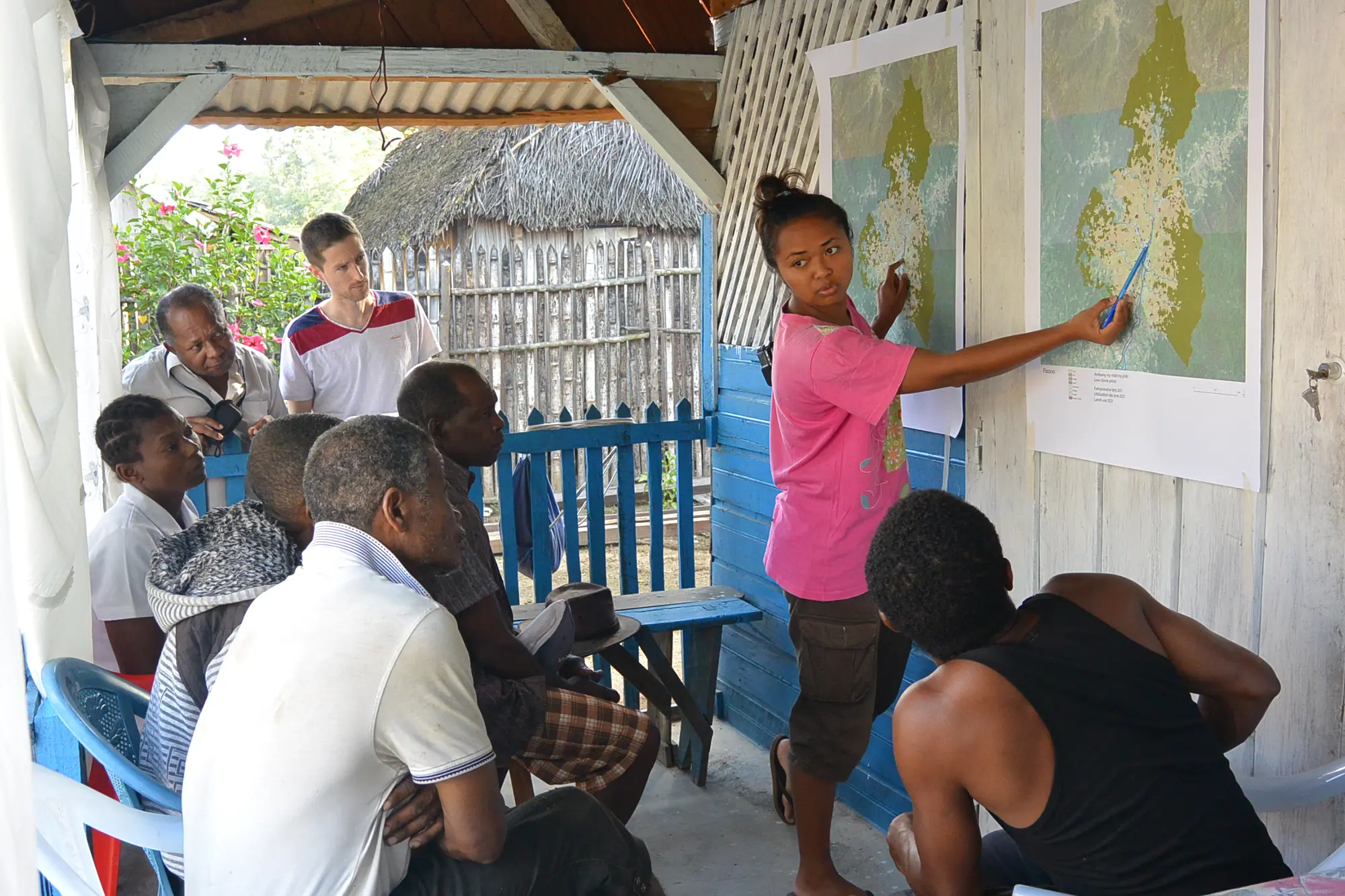
The SOR4D programme supports transdisciplinary research by mixed consortia from Switzerland and developing countries. It will run from 2022 to 2026.
The SOR4D programme is a joint funding scheme of the SNSF and the Swiss Agency for Development and Cooperation (SDC). It supports cooperation projects between researchers and non-academic actors in Switzerland and in developing countries. The programme follows a solution-oriented approach. It is intended to help realise the Sustainable Development Goals (SDGs) and reduce poverty.
The SOR4D programme is divided into two phases. The first phase started in 2021 and is funding 15 transdisciplinary research projects operating in 16 countries in the Global South and East. In the second phase, which began in 2026 and will run until 2031, we plan to provide funding for 17 to 20 international consortia to carry out their research projects. In addition, the SOR4D programme offers the opportunity to apply for additional funding to implement and scale existing projects (Transformation Accelerating Grants).
Links
The SOR4D programme is open to all disciplines (humanities, social sciences, natural sciences, engineering, health and life sciences). Interdisciplinary cooperation between research domains is encouraged. SOR4D supports transdisciplinary projects involving both researchers and non-academic actors.
The selected research projects will be funded for three to four years. Projects that demonstrate high potential for scaling, application and transformation can receive funding for an additional 12-24 months with Transformation Accelerating Grants.
Research proposals must seek systemic solutions that drive transformation and must address several of the 17 SDG targets. Projects across all thematic areas of the 2030 Agenda for Sustainable Development, particularly those related to the four objectives of Switzerland's International Cooperation Strategy (human development; sustainable economic development; climate and environment; peace and good governance) are desired.
Second phase of the SOR4D programme
The second phase of the SOR4D programme has begun. A two-stage selection process for projects was launched at the start of the year. Following the completion of the first stage of the selection process, during which more than 250 pre-proposals were evaluated, we have invited 38 consortia to submit full proposals. The projects are scheduled to start in spring / summer 2027.
Second call for Transformation Accelerating Grants
The second call for Transformation Accelerating Grants (TAGs) was launched on 9 November 2026. TAGs enable existing SOR4D project teams to carry out additional activities aimed at applying, implementing and scaling the findings, tools and technologies developed as part of their research projects. Applications should be submitted by researchers involved in current SOR4D projects by 8 January 2027, 17:00 CET. Further information and the full conditions for participation are available on the call web page.
First SOR4D Research Conference
The first SOR4D Research Conference took place in Bern on 31 August and 1 September 2026. Bringing together more than 200 participants, the conference provided a forum for dialogue between the SOR4D research community and other stakeholders from the worlds of research and practice.
International research consortia must include researchers from Switzerland as well as researchers and practice partners from developing countries (in accordance with the list of the OECD Development Assistance Committee) to be eligible to submit a proposal.
The researchers involved must demonstrate that they have relevant expertise and an interest in application-orientated research and are willing to put their research at the service of practice. Practice partners must be non-academic, practice-oriented partner organisations that are committed to social, ecological and economic development in countries that receive international aid. They are active in the public sector (government or civil society) or in the private sector. Practice partners must contribute significantly to the definition of research needs and research questions, to research activities and to the dissemination and application of research results. In order for solution-oriented research to meet local needs and concerns, the practice partners must be well-networked and have experience with local, national and/or regional state, political, civil society or economic stakeholders.
The detailed conditions for participation are set out in the call document.
Submission of proposals
The applications must be submitted via the mySNF platform.
Applications are submitted and selected in a two-stage process. A pre-proposal must first be submitted. If selected in the first round of evaluation, an invitation to submit a full proposal will follow. Pre-proposals and full proposals must be written in English.
Selection procedure
An independent evaluation committee comprised of experts from both research and practice is responsible for assessing the pre-proposals and full proposals. The committee makes funding recommendations to the Programme Committee Thematic and Solution-oriented Research of the SNSF Research Council, which then makes the final decision.